

Memory Care in East Zorra-Tavistock, Ontario
A guide to memory care serving East Zorra-Tavistock, what to check before choosing one, and how our rankings work.
What memory care provides
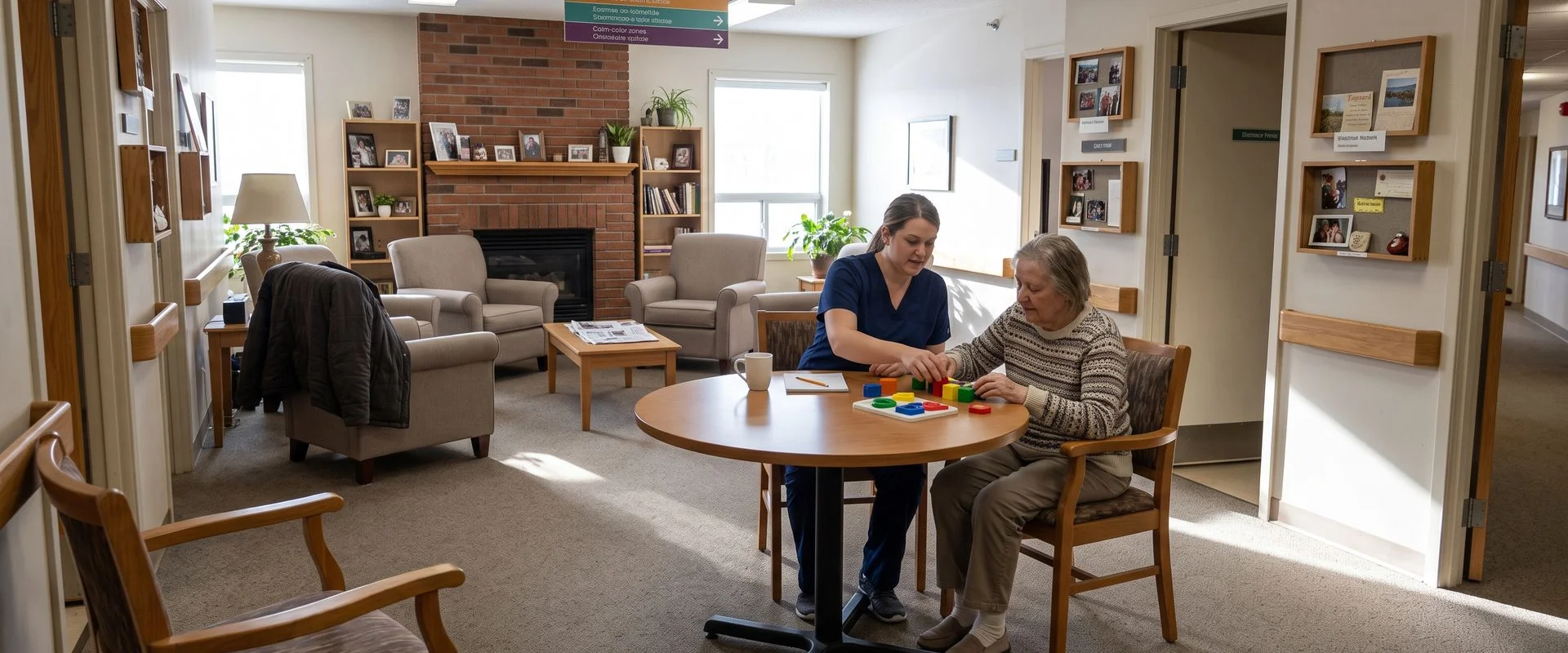
Memory care supports people living with dementia or other cognitive changes through a safer environment, structured routines, trained staff and help with daily activities. Programs may be offered within a licensed retirement residence or another residential care setting.
What to look for before choosing
Ask about staffing overnight and on weekends, dementia-specific training, secure outdoor space, behavioural support, care-plan reviews, added fees and how the provider responds as needs change.
How we score these providers
Our rankings compare review evidence, service relevance, public business information and data completeness. Providers without enough review evidence remain visible, but are clearly marked as not yet ranked.
Get help choosing memory care
Tell us what you need and we will connect you with care providers in your area. There is no cost and no obligation.
All memory care, ranked by score and relevance
We found 1 verified businesses offering memory care; 1 met the evidence threshold for the scored directory. The order weighs each provider's published Care Finder score alongside service relevance and evidence quality, so a lower-scored specialist can rank above a higher-scored general provider. Filter and sort below, or open the full map view.
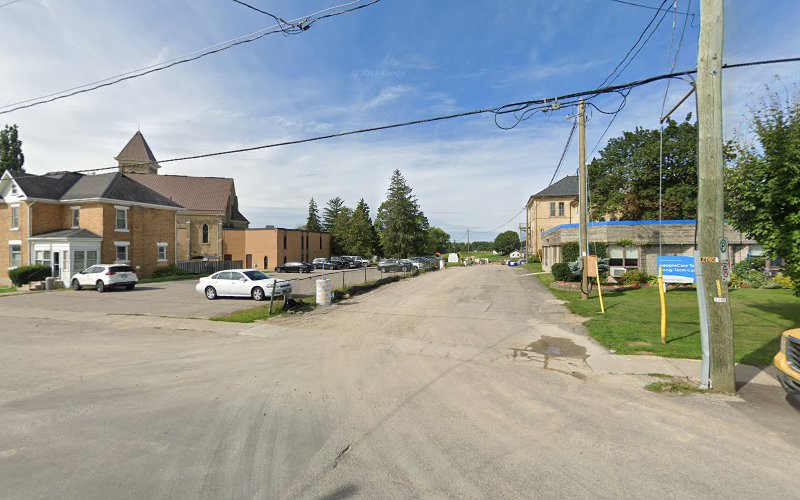 peopleCare Tavistock Long-Term Carescore 61.2 · #1 · ★ 3.8 (13)attentive carefriendly atmospherecare concerns
When you submit an enquiry through this site's forms, it may be shared with partner providers who can complete the work, and we may receive a referral fee. Our rankings and scores follow our published methodology only and are never influenced by referral fees.
Common questions about memory care & dementia care
- How much does memory care cost in East Zorra-Tavistock, Ontario?
- Costs vary widely depending on whether care is delivered in a private retirement home with a secured memory unit, a long-term care home, or through in-home dementia care. Private memory care residences typically charge more than standard retirement living due to higher staffing levels and secured facilities, while publicly funded long-term care beds have provincially set co-payment rates but often come with waitlists. It's worth getting itemized quotes, since some homes bundle personal care, medication management, and programming into the base rate while others charge extra for each.
- How do I know when it's time to move a family member into memory care?
- Common triggers include wandering or getting lost, safety incidents at home like leaving the stove on, increasing aggression or confusion that a spouse or home caregiver can no longer manage safely, and caregiver burnout. A care assessment through the local Home and Community Care Support Services or a geriatric care manager can help clarify whether the person's needs have outgrown home care or a standard retirement setting.
- What should I expect during a tour of a memory care home?
- A good tour should include seeing the secured areas, meeting frontline staff (not just administration), observing an activity in progress, and asking to see a sample daily schedule. You should also ask what happens if your family member's needs increase, since not every memory care unit can accommodate residents who become non-ambulatory or need significant medical support.
- What's the difference between memory care and a regular nursing home?
- Regular nursing homes and retirement homes serve residents with a wide range of needs, and dementia residents there may be mixed in with the general population. Dedicated memory care units or homes are secured, staffed by people trained specifically in dementia behaviors, and structured around routines that reduce confusion, which tends to work better for residents in moderate to advanced stages of dementia.
Guides to choosing memory care & dementia care
- Signs it's time for memory care: a family's decision guide
How families in East Zorra-Tavistock, Ontario recognize when dementia care needs have outgrown home support, and what to weigh before deciding on memory care.
- Coping with dementia behaviors at home: sundowning, wandering, and safety strategies
Practical strategies for managing sundowning and wandering safely at home, and knowing when a behaviour has become a genuine safety risk.